
 Wait, before you automatically click “Essential Cookies” please read...
.svg "Keylink Limited")
Peanut Flavour Inspiration
Posted: 03 Sep 2026
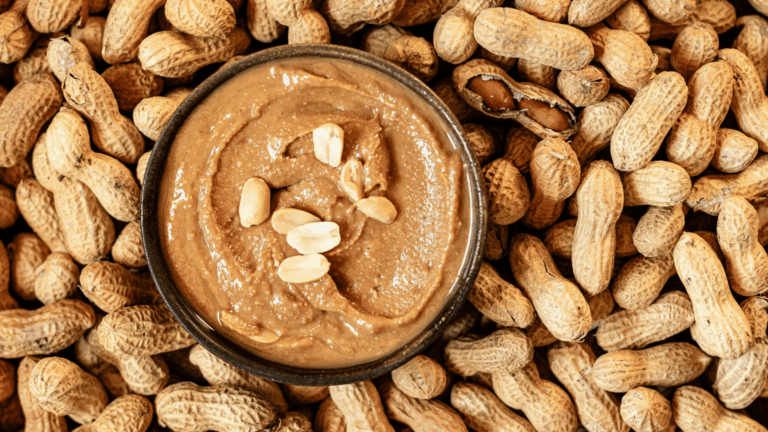
Peanut Perfection: Flavour Pairings You’ll Go Nuts For
Peanuts are a classic ingredient in confectionery, starring in beloved treats like chocolate-covered peanuts, peanut brittle and a huge range of chocolate bar fillings. The humble peanut may not be a viral trend, but it’s the most talked about nut online: Taste Tomorrow’s analysis puts it roughly two and a half times ahead of pistachio for online mentions! And we think it’s time peanuts got their moment in the spotlight.
Keep reading to find out what a peanut actually is (not a true nut, it turns out!), the flavours that bring out its best, and some products and recipes to inspire your next creation…
by Lyndsey Hall
03 September 2026
Peanuts: Not a Nut, But a Legume
Botanically speaking, the peanut is a legume: closer to peas, beans and lentils than to other nuts. (Surprised? Wait until you hear coconuts are actually a stone fruit!). The peanut plant grows underground rather than on a tree, which is why you will also hear it called a groundnut (rather than a treenut).
Peanuts originated in South America—Bolivia, Peru and northwestern Argentina—where archaeologists have found peanut remains at Peruvian coastal sites going back thousands of years. From there, they travelled with Portuguese and Spanish ships to Africa, Asia and eventually North America, and the plant took to the climate of West Africa so well that many people assume it originated there.
Being a legume, peanut behaves differently from tree nuts: it’s less oily than a pecan or a macadamia, and its flavour runs savoury compared to its sweeter cousins, like almond and hazelnut. It carries salt beautifully, and can take far more sweetness than many other nuts. Coat it in salted caramel and enrobe it in chocolate, and rather than a sickly-sweet treat, you’ve got a perfectly balanced morsel.
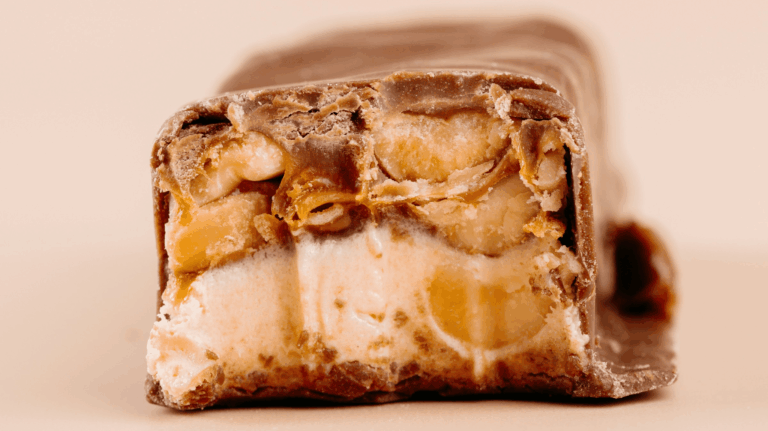
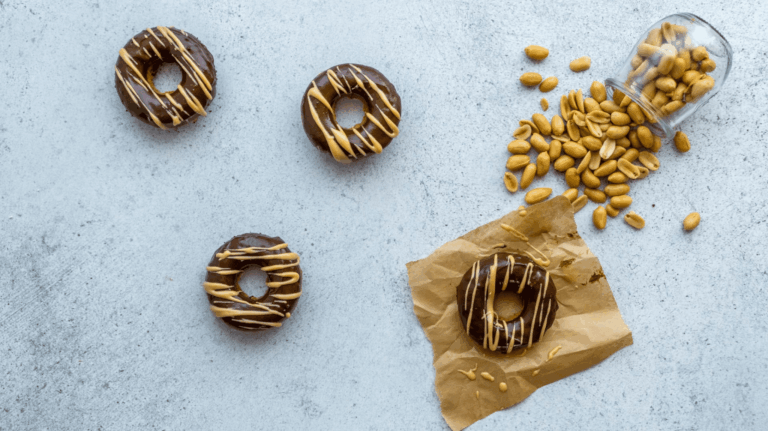
Peanut Butter, Peanut Paste or Peanut Praliné?
The terms ‘nut butter’ and ‘nut paste’ are often used interchangeably, but they’re not always the same thing. Here’s what to look out for on the packaging:
- Peanut Butter – the supermarket product, usually blended with salt, sugar and a stabilising fat to stop it separating (Natural options are becoming increasingly available!)
- Peanut Paste – 100% roasted peanuts and nothing else, unsweetened, so you control the salt and the sugar yourself
- Peanut Praliné – peanuts blended with caramelised sugar
- Peanut Gianduja – peanuts ground together with chocolate, set as a solid block
For chocolate work, the 100% paste is a perfect starting point. Supermarket peanut butter brings its own sugar, salt and emulsifier, which is fine in a cookie but less so in a ganache, where you want to control the water and fat balance yourself. Our Peanut Paste is 100% roasted peanuts, unsweetened, and it will bring all the flavour of a jar of peanut butter with none of the unnecessary additives.
What Flavours Pair Best with Peanut?
Peanut is a subtly earthy, smooth flavour and it pairs widely – the savoury, salty edge is exactly what makes it work with so much in confectionery:
Fruits
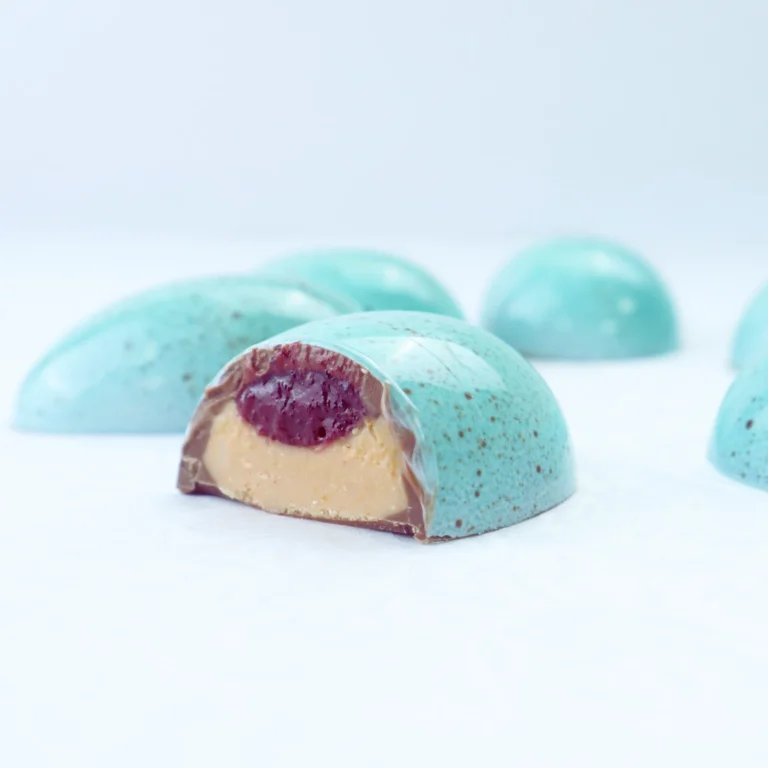
Peanut butter and jelly is an American classic for a reason, and it translates straight into a bonbon. Blackcurrant is the pick of the bunch if you want something less obvious than raspberry; our own PB and J Duck Eggs use a Ravifruit blackcurrant pâte de fruit under a peanut ganache. Colac Raspberry and Strawberry Topping Sauces deliver the same idea in gelato or a sundae.
Salted Caramel
Salty, sweet and fatty: peanut and caramel have a lot in common. Colac Salted Caramel Flavour Compound and Salted Caramel Topping Sauce are the perfect addition to a peanut gelato, and Nigay Caramel with Salted Butter or Caramel Crunch will work perfectly in a bar or a bonbon.
Banana
Banana is a growing flavour trend and definitely one to watch! Ravifruit Banana Purée in a ganache with peanut paste and caramel gives you something close to a banoffee. And Colac Banana Flavour Compound rippled into peanut gelato with a scatter of caramelised granulated peanuts and a drizzle of Banana topping sauce would taste phenomenal!
Chocolate
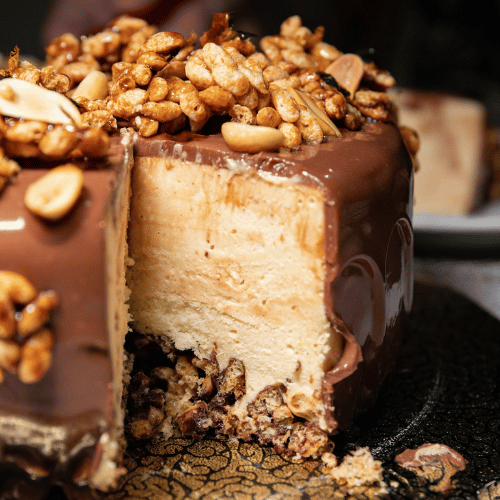
Peanut is one of the few nuts that pairs better with milk chocolate than dark, because milk’s sweetness and dairy notes soften its savoury edge. Dark still works if you want a sharper contrast, and both white and blonde chocolate are delicious with peanut.
Milk Chocolates:
Dark Chocolates:
Blond & White Chocolates:
Coffee, Vanilla & Biscoff
Three perfect pairings for peanut: coffee, vanilla and Lotus Biscoff. Whether you use them individually or create a scrumptious layered dessert, these flavours sit beautifully beside the earthy, savouriness of peanut.
Crunch & Texture
Texture is the biggest trend of the moment, with consumers opting for sweet treats that not only taste fantastic but also offer more than one dimension: blending creamy and crispy or chewy. Pair your peanut pieces with honeycomb, popping candy, marshmallows, feuilletine or kadaif for an added layer of pleasure.
All Our Peanut Products in One Place
Our Favourite Recipes with Peanut
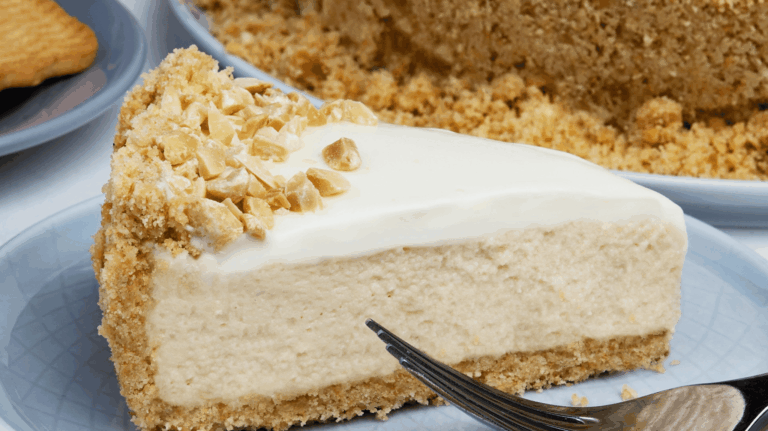
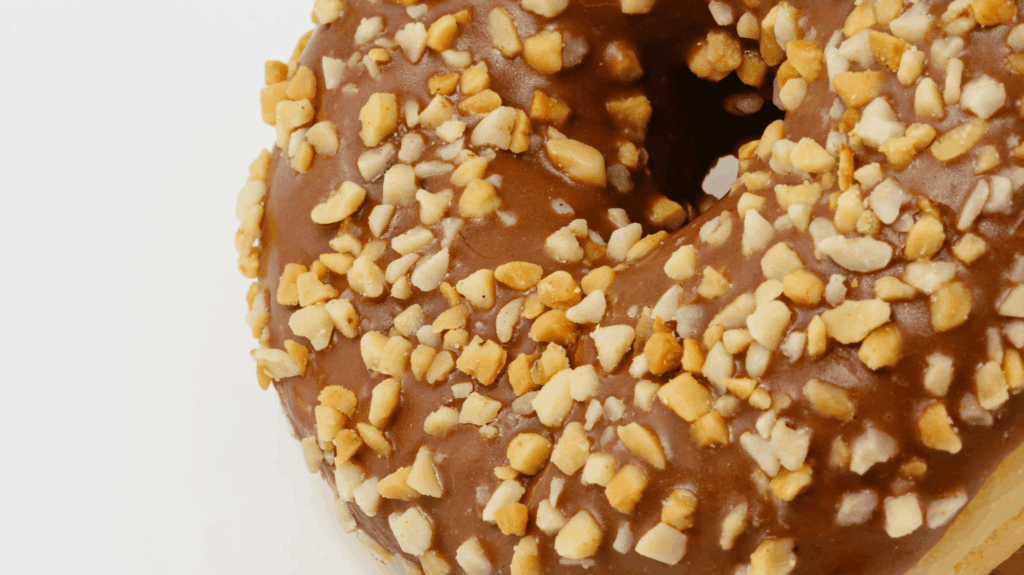
Here are a few ideas for using our peanut products in your chocolate and bakery production:
Peanut may not be one of the trendiest nuts on the block, but it’s a consistently delicious addition to any chocolate or bakery recipe. Add in the health benefits of functional ingredients like protein (which peanuts are chock-full of!), and peanut is soon-to-be the ingredient of choice for chocolatiers and bakers!
Ready to discover the other nuts in our range? Take a look at our other blogs on:
We love to see what you make with our products, so don’t forget to tag us @keylinkltd on social media in all your peanut creations!

Lyndsey is a marketing executive, writer and lover of books and chocolate from Sheffield.
Her favourite chocolate is Callebaut Power 41.

