
 Wait, before you automatically click “Essential Cookies” please read...

The Viral 100% Cocoa Bar Trend
Posted: 16 Nov 2026
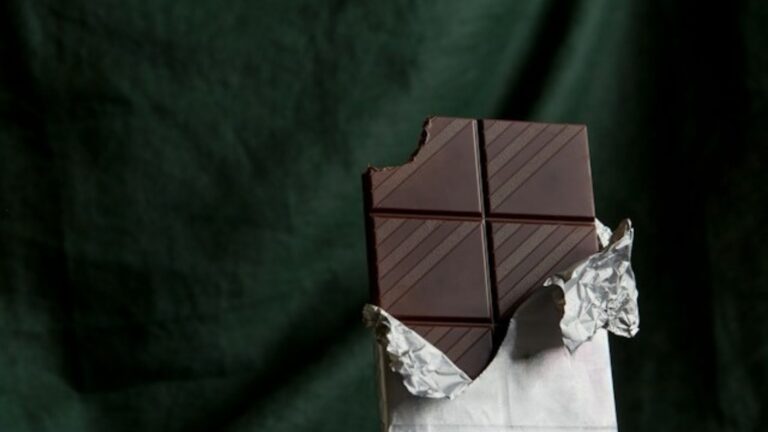
How to Make a 100% Cocoa Bar
With the growing popularity of premium and single origin chocolates, the demand for higher and higher cocoa content bars has soared in the last two years. And social media has exploded with videos of chocolate lovers trying the latest launches from brands like Lindt and Montezuma.
Keep reading to find out what the difference is between 100% chocolate and 100% cocoa, how to make it, how to mould with it, and what to do about the bitterness everyone warns you about.
by Lyndsey Hall
16 November 2026
Why 100% Cocoa Is Suddenly Everywhere
In August 2026, Lindt added a 100% cocoa bar to its Excellence range in the UK, which already included 70%, 78%, 85%, 90% and 99% bars. The company put the launch down to an “increasing desire” for higher cocoa chocolate. Willie’s Cacao makes one in Devon from Sur del Lago beans, and it is not the only British maker with a 100% bar on the shelf.
Single origin chocolate has educated consumers to read a percentage the way they read a coffee roast, and intrepid customers now want to taste the top of the scale. Throw in the popular social media trend for trying something extreme on camera, and suddenly a 100% bar gets attention that a classic 70% no longer does.
On your counter, 100% bars sit alongside both your premium single origin bars and unique flavour pairings for true chocolate connossieurs, and viral treats like the Dubai bar and the angel hair chocolate bar. So, whether you package them as a premium gift or a trendy impulse buy at point of sale, these pure cocoa bars have earned their place in your chocolate shop.
What is 100% Cocoa?
It is cocoa mass from the cocoa bean, and nothing else. Cocoa mass is what you get when roasted, de-shelled cocoa nibs are ground until the cocoa butter flows. You may also see it called cocoa liquor or chocolate liquor, which is simply cocoa mass under a different name.
Because it is cocoa solids and cocoa butter in the ratio the bean grew them in (or in some cases, extra cocoa butter is added to make it more fluid), cocoa mass already behaves like chocolate.
Add sugar and you have dark chocolate. Add milk powder as well and you have milk chocolate. Leave it alone and you have 100% cocoa.
What is 100% Chocolate?
Unlike 100% cocoa bars, a 100% chocolate bar may contain a small amount of added sugar to make it sweeter and more palatable. With less than 1g sugar per 100g bar, these can still legally be labelled “100% chocolate“, but not 100% cocoa.
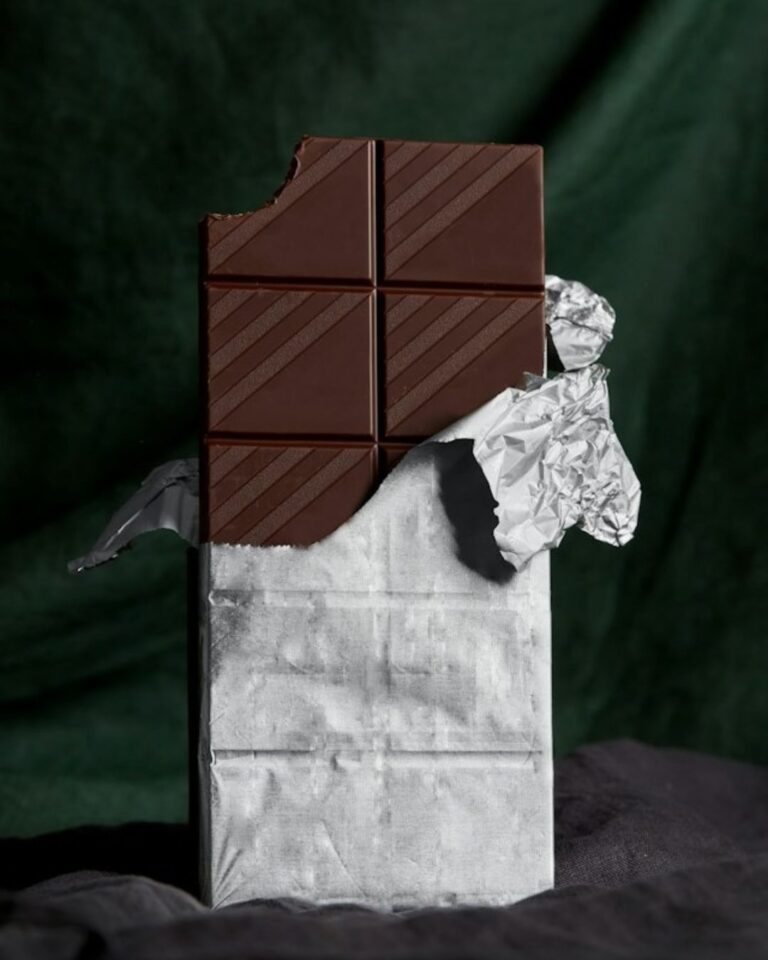
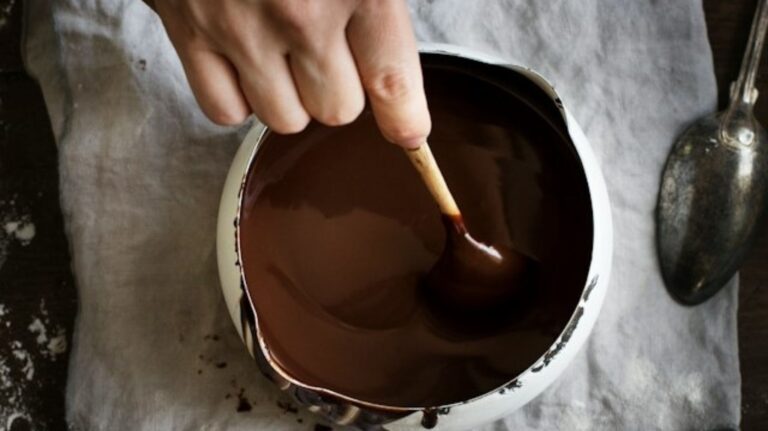
What You Need to Create a 100% Cocoa Bar
Less than you would think! And you probably have all of the ingredients in your chocolate kitchen already:
- Cocoa mass is the only essential ingredient. Our Callebaut mass comes as Easymelt discs, which melt quickly and weigh out cleanly, and our Luker mass is made from Colombian Fino de Aroma beans, the fine flavour grade that covers only the top 7 to 8% of the world’s cocoa.
- Cocoa butter is optional. A small addition loosens the mass for moulding, and because cocoa butter is itself a cocoa product, the bar is still 100% cocoa.
- A mould, a thermometer and somewhere cool. No conche, no melanger and no sugar (unless you’re making 100% chocolate, instead).
How to Make a 100% Bar
Tempering
Cocoa mass tempers exactly like a dark chocolate, because the part that needs tempering is the cocoa butter. The curve for our Luker cocoa mass is 45 to 50°C to melt, down to 27°C to build the crystals, then back up to 30 to 32°C to work. Barry Callebaut do not publish a curve for their cocoa mass, so start from those figures and test a small batch first.
The shape of our cocoa mass is perfectly suited to the seed method of tempering. Melt most of your mass, drop the remaining discs or chips into the warm mass, stir until they disappear, then check your temperature before you pour.
Fluidity & Workability
A couverture has added cocoa butter to make it fluid; cocoa mass does not, so it runs thicker and fills a mould slowly. You have two options:
- Add cocoa butter, a little at a time, until it flows the way you want.
- Or pick a format that suits a heavier chocolate: slabs, thick tablets, cut squares, dipped fruit and anything you cut rather than mould.
Work warm and work quickly. Cocoa mass sets hard and it sets fast, and a cold mould will grab it before it has chance to spread evenly.
What Does 100% Chocolate Taste Like?
Authentic. Every bean characteristic that sugar usually rounds off is revealed, which means the fruit, the nuts and the roast all come through, and so does any harshness or acidity. Bitterness arrives faster than most people expect.
That makes bean choice very important. A fine flavour, undeodorised Colombian mass and a bulk West African one taste very different at 70% and even more so at 100%. Taste your mass on its own before you decide what to make with it, and taste the finished bar at room temperature for a true taste experience.
What to Call Your Cocoa Mass Bar
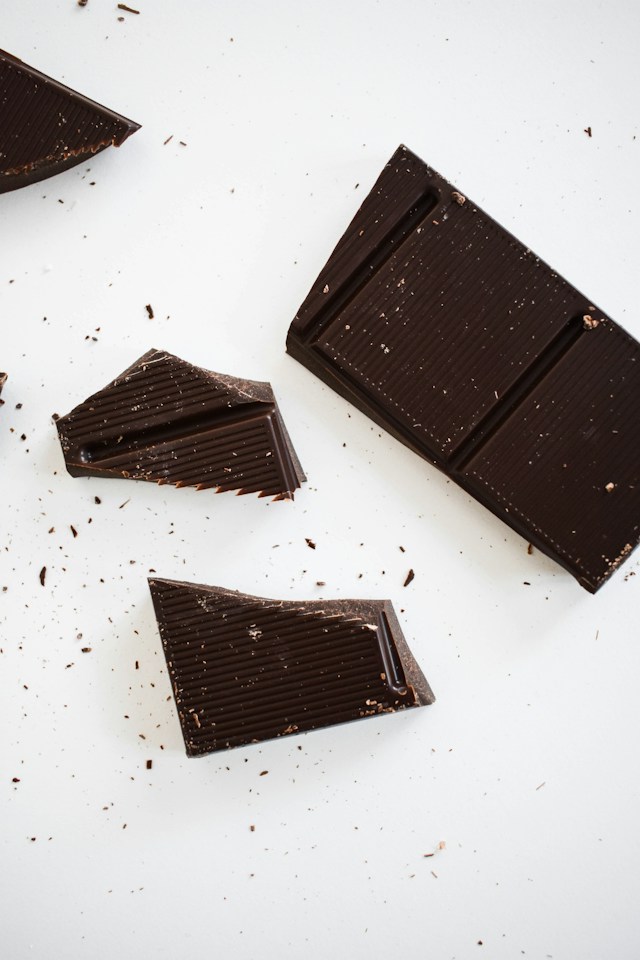
Lindt call theirs ‘100% cocoa’, Willie’s call theirs ‘100% cacao’, and others simply call it a ‘100 per cent bar’. The wording matters, because a product with no added sugar has a different legal definition than a 70% chocolate does, so check your label wording before you go to print.
On the subject of sugar, our Callebaut cocoa mass carries 0.3g of sugars per 100g and our Luker mass 0g. What you can then say about your finished bar depends on what else goes into it, so work it out from your own recipe. Less than 1g of sugar per 100g of cocoa mass can be called ‘100% chocolate’, anything above that is a very high cocoa content dark chocolate.
Beyond the Bar
A 100% bar is the showpiece, but cocoa mass is a chocolate kitchen essential all year round. Add it to a ganache, a praliné, a mousse or an ice cream to push the cocoa up without adding sweetness, or into a cake batter for a deeper colour and a rounder flavour. Fold cocoa nibs through a finished bar for texture and a second hit of roast.
It is also the cleanest way to control sugar in a recipe. Swapping a percentage of your couverture for cocoa mass raises the cocoa and lowers the sugar in one move, which you cannot do by changing couverture alone. An intense, bite size 100% cocoa bar is a perfect permissible indulgence for chocolate lovers who happen to also be taking GLP-1s or who have health goals.
Ready to Try a 100% Cocoa Bar?
Our cocoa mass comes in three sizes, so you can test a bar before you commit to a full pallet. The Luker 1kg bag is the easiest starting point, the Callebaut 2.5kg pack suits a small production run, and there is a 10kg box when the line takes off. And with the popularity of these bars on social media and with the darkest of dark chocolate lovers, it’s sure to be a hit with your customers!
If you want to read more about cocoa products and their multitude of uses, our guide to cocoa nibs is a good next stop, and our cocoa powder guides cover both chocolatiers and bakers. And if you do make a 100% bar, tag us in it on social media @ keylinkltd!

Lyndsey is a marketing executive, writer and lover of books and chocolate from Sheffield.
Her favourite chocolate is Callebaut Power 41.

